
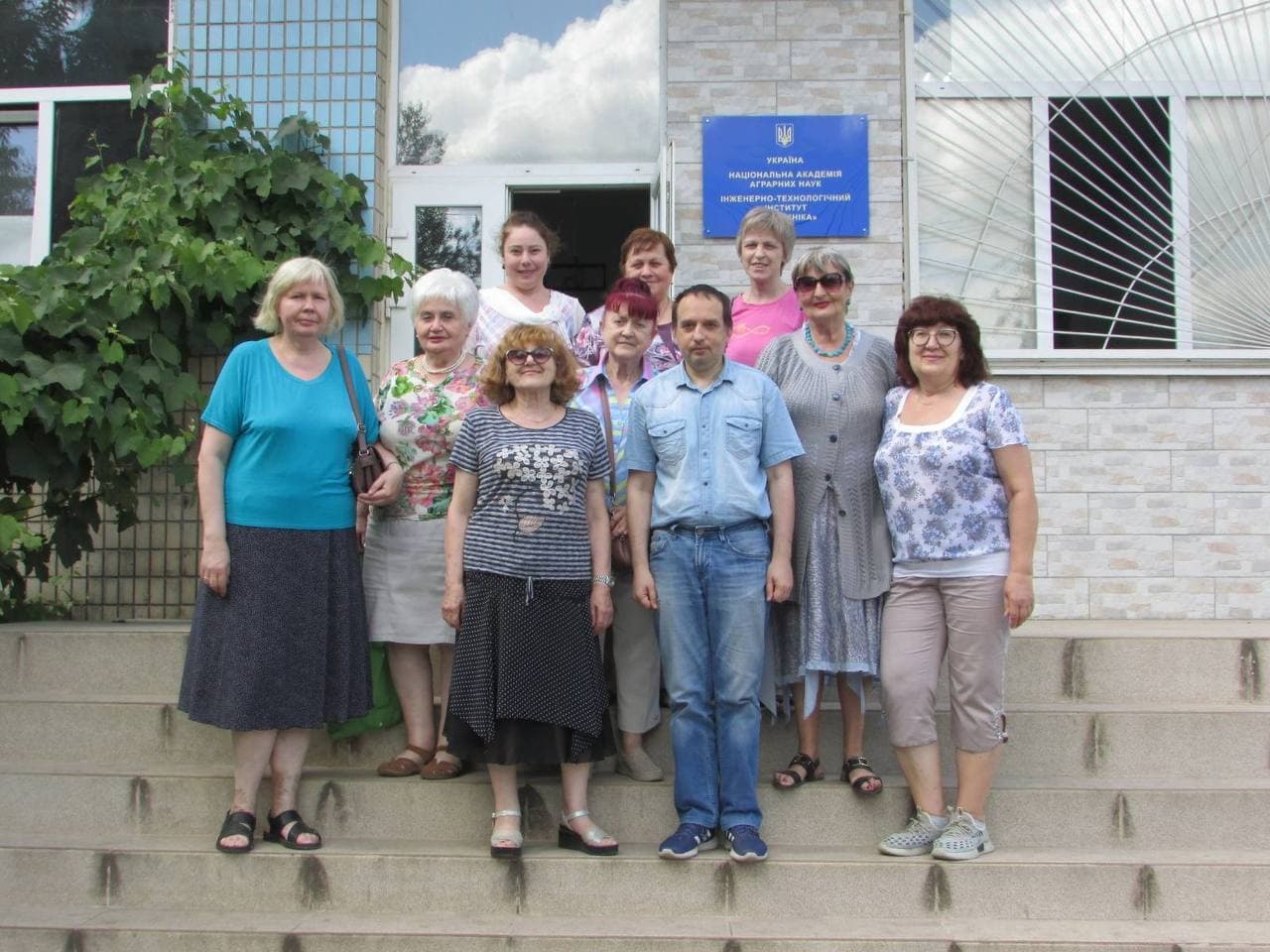
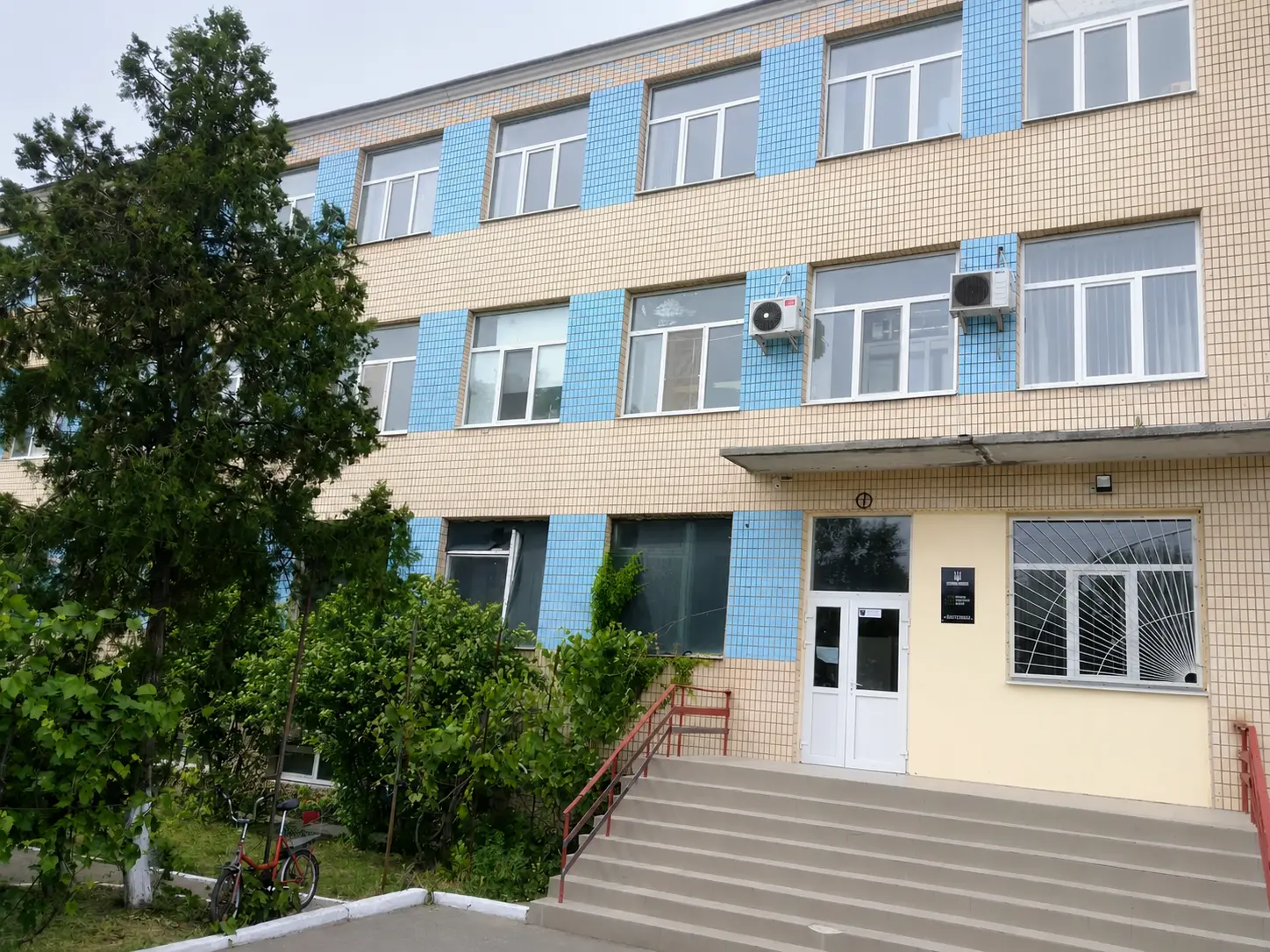
The Engineering and Technology Institute «Biotechnica» NAAS was founded in 1971 by a group of academics from Odessa, led by A.D. Volkun and G.I. Kogan-Volman, as the Odessa branch of the NGO Agroprilad — to meet agricultural needs in the development of a technical base.
The organisation grew rapidly, and within 10 years became a full-fledged research and design organisation with a team of 450 people. In the mid-1970s an Experimental Production Base was built in Balta, Odessa region, ensuring industrial production and commercialisation of the branch's developments, while the experimental department in Odessa produced prototypes and experimental samples of equipment.
In 1981, after the Mykolaiv department and the complex design department were incorporated, the branch was transformed into the Odessa Special Design, Planning and Technology Bureau with experimental production (OSKTPB) of NGO Agroprilad. Its main area of activity was developing instruments, mechanisation and automation tools for crop and livestock farming.
In 1987, the OSKTPB was granted the status of a research organisation reporting directly to WPHO Soyuzselkhozkhimiya. On its basis, the All-Union Research, Design, Project-Technology and Engineering Centre «Biotechnika» (VNITS «Biotechnika») was established. Its tasks included scientific research on the creation and mass production of biological plant-protection agents, and the development of technologies and technical means for the production and use of biopreparations.
In 1992, a new chapter began when the organisation transferred to the Ukrainian Academy of Agrarian Sciences (later the National Academy of Agrarian Sciences of Ukraine) and received its present name — Engineering and Technology Institute «Biotechnica» (ITI «Biotechnica»). Since then its core activities have been the development of scientific, engineering, biological and technological support for the production and use of biological crop-protection agents — a mission that continues to this day.